
Guide to Affordable Transportation After Repossession

A repossession can leave you with a problem that cannot wait: getting to work, picking up the kids, making appointments, and handling everyday life. This guide to affordable transportation after repossession is about finding a realistic way back on the road without taking on a payment that creates another financial mess.
You do not need a showroom-perfect vehicle right now. You need transportation that starts, stops, gets you where you need to go, and fits your budget. That difference can save you a lot of money.
Start With the Job Your Vehicle Needs to Do
Before looking at cars, get clear about what you need it to handle. A single driver commuting from Palmetto to Bradenton may be well served by a basic compact car. A parent hauling children, groceries, and work gear may need a roomier sedan, small SUV, or truck.
Be honest about the non-negotiables. Think about commute distance, highway driving, passenger space, fuel costs, and whether you need room for tools or equipment. A lower sticker price is great, but it is not a bargain if the vehicle does not work for your real life.
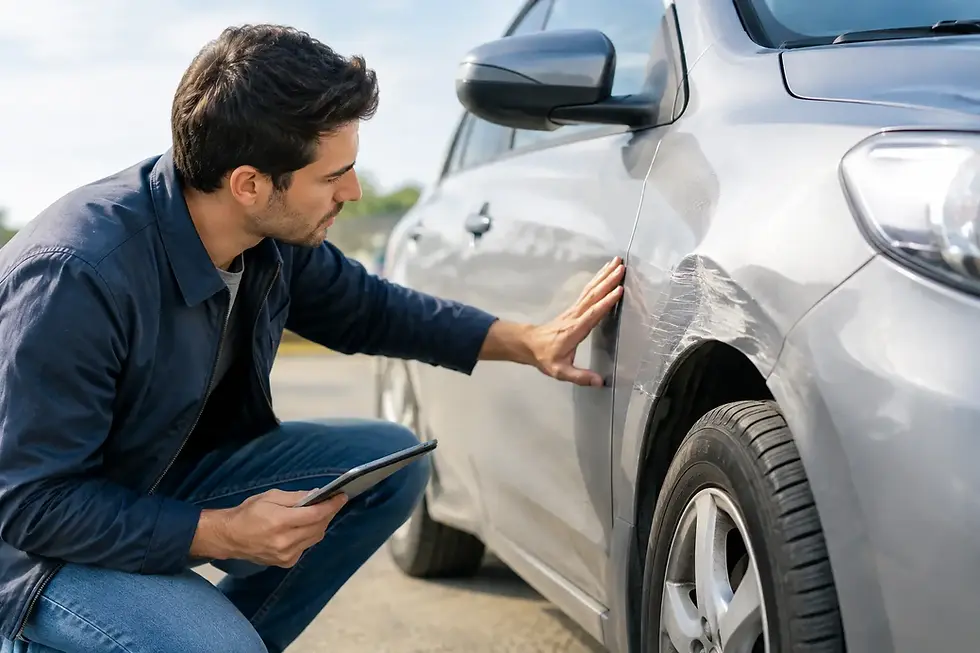
Cosmetic flaws are often where smart buyers save. Scratches, faded paint, dents, worn trim, or an older body style do not necessarily affect whether a car can get you to work. If your priority is dependable transportation, a scratch-and-dent vehicle can put more money back in your pocket than a polished retail lot car.
Set a Payment You Can Actually Keep
After repossession, the goal is not just getting approved. The goal is staying current once you are approved. Take a close look at your weekly income and build your car budget around what is left after rent, food, utilities, insurance, childcare, and other must-pay bills.
Include more than the vehicle payment. Your real transportation number should account for the down payment, tag and title costs, insurance, gas, routine oil changes, and occasional repairs. If a payment looks manageable only before those costs are added, it may be too high.
Weekly payments can be easier for some working buyers because they line up with weekly paychecks. Others prefer a longer payment schedule. Neither is automatically better. What matters is choosing a due date and amount you can handle consistently. A slightly cheaper vehicle with a comfortable payment is usually the better move than stretching for a newer model you cannot comfortably afford.
Consider Buy Here Pay Here Financing
Traditional banks often make car financing difficult after a repossession, especially if your credit is limited or your income does not fit their approval formula. Buy Here Pay Here dealerships can offer another route because the dealership provides the financing directly.
This type of financing is built for buyers who need a chance to purchase now rather than wait months or years to rebuild credit before getting transportation. Many dealers focus more on your current income, residence, identification, and ability to make the down payment than on a credit score alone. Some offer no-credit-check approval options.
There are trade-offs. In-house financing may carry different terms than a bank loan, and you need to understand the payment amount, due dates, late-payment policy, total cost, and insurance requirements before signing. Ask questions until the answers are plain. A straightforward dealership should not make you feel rushed or embarrassed for wanting to know what you are agreeing to.
If you have a regular job or steady income and need to drive soon, this can be a practical path. Toad Cars helps Gulf Coast buyers shop low-priced vehicles with simple in-house financing and low down payment options, without the usual high-pressure routine.
Look Beyond the Perfect-Looking Car
When money is tight, condition matters more than curb appeal. A used vehicle does not need to be flawless to be a good value, but you should still take time to check the basics.
Start the vehicle cold if possible and listen for unusual noises. Check that the lights, wipers, windows, air conditioning, heat, brakes, and seat belts work. Look at the tires for uneven wear. During a test drive, pay attention to steering, braking, acceleration, shifting, and warning lights.
Ask what you can about the vehicle's history and current condition. A lower-priced impounded, seized, or repossessed vehicle may have cosmetic wear, and that is often part of why the price is lower. That does not mean you should ignore mechanical concerns. It means you should focus your attention on the parts that affect safety and daily reliability.
If you have a trusted mechanic and the dealer allows an inspection, that extra step can provide peace of mind. If an inspection is not practical, buy with clear eyes and keep a small repair cushion when you can. Every used vehicle, even a more expensive one, may need maintenance.
Keep the Down Payment From Draining You
A larger down payment can lower your payment, but it should not leave you with nothing for gas, insurance, or an unexpected expense. The right down payment is one that gets the deal done while letting you keep enough breathing room for the first month of ownership.
Avoid using rent money, utility money, or every dollar in your account just to get into a vehicle. A car is supposed to make life easier. Starting out unable to cover fuel or insurance can put you right back under pressure.
If you have some cash available, ask how different down payment amounts affect the weekly payment. Sometimes putting down a little more makes sense. Other times, keeping cash on hand is the safer choice. Your income stability, household expenses, and how quickly you need transportation all matter.
Protect Your Fresh Start
Getting the keys is only the beginning. A few simple habits can help make this vehicle a tool for rebuilding, not another source of stress.
Set aside a small amount from each paycheck for maintenance, even if it is only $10 or $20. Keep up with oil changes, watch your tire pressure, and deal with warning lights early when possible. Small maintenance costs are usually easier than major repairs caused by waiting too long.
Make your payment part of your regular routine. Put the due date in your phone calendar, and if you are paid weekly, consider setting aside the payment amount from each check. If a problem comes up, contact the dealership before the due date instead of avoiding calls. Early communication gives you a better chance to discuss your options.
Also, review your insurance carefully. Florida drivers need coverage that meets legal requirements and any requirements in their financing agreement. The cheapest policy is not always the best deal if it leaves you exposed after an accident. Ask for quotes before you finalize the vehicle so the premium does not surprise you.
Do Not Let Shame Make the Decision for You
Repossession is stressful, but it does not define your work ethic, your worth, or your future. People fall behind for all kinds of reasons: a job change, medical bills, reduced hours, a family emergency, or simply a payment that got too heavy. The important thing now is choosing transportation based on where you are today.
Skip the temptation to buy more vehicle just to prove something. The best car for this moment may be an older sedan with a few dents, cold air, decent tires, and a payment you can make every week. That is not settling. That is making a smart move for your budget.
A dependable ride can help you keep your job, show up for your family, and create room to rebuild. Start with what you can afford, ask direct questions, and choose the vehicle that helps you move forward without putting your next paycheck in danger.


Comments