
Impounded Car Pricing for Smart Budget Buyers

A $2,500 car can be a better answer than a $12,000 car when you need to get to work, pick up the kids, or handle everyday life without taking on a huge loan. That is where impounded car pricing gets your attention. These vehicles are often priced well below traditional used-car lots because buyers are paying for usable transportation, not showroom shine.
The low price does not mean every vehicle is the same, and it does not mean you should buy the first cheap car you see. It means you have a real chance to find a car or truck that fits your budget if you know what affects the price, what to check, and how to look at the full payment picture.
Why Impounded Vehicles Can Cost Less
Impounded, repossessed, and seized vehicles enter the market through a different path than a typical trade-in. A vehicle may have been towed and left unclaimed, returned after a repossession, or moved through a government or lender process. The goal is usually to sell the vehicle and move it along, not hold it on a lot for months waiting for the highest possible offer.
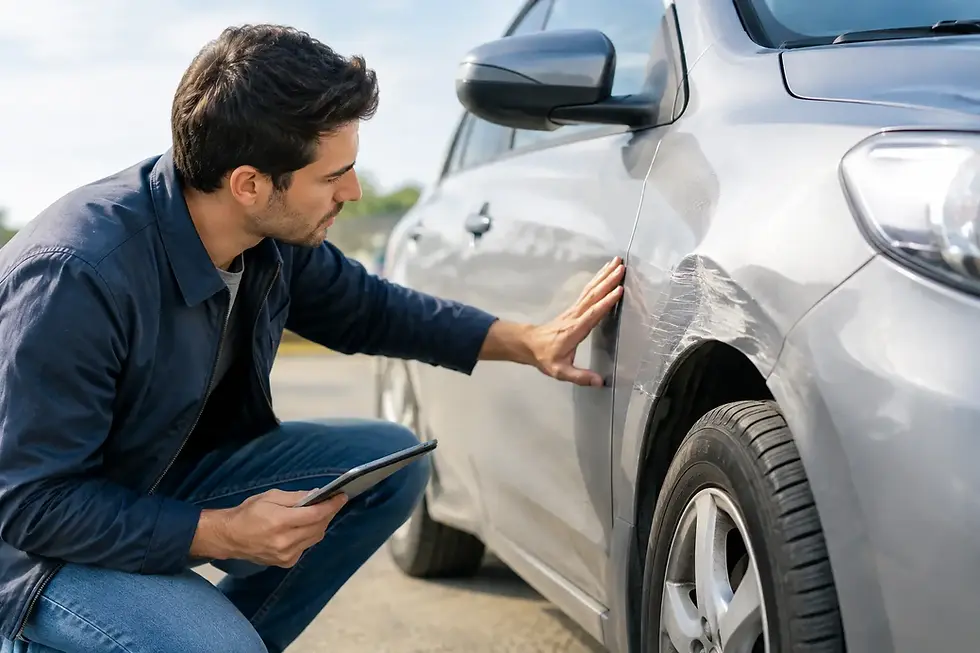
That can create serious value for practical buyers. You may find older model years, higher mileage, cosmetic wear, dents, faded paint, worn seats, or missing extras. None of those things automatically keep a vehicle from being useful transportation. If the engine, transmission, brakes, tires, and basic safety items check out, a few scratches may be a fair trade for a much lower price.
A lower sticker price also reflects the kind of vehicle these are. Many are basic sedans, compact SUVs, work trucks, and vans built for getting around town. They may not have leather seats, a giant touch screen, or a perfect exterior. For a buyer focused on getting to a job in Bradenton, Palmetto, Sarasota, or across Manatee County, dependable transportation matters more than fancy features.
What Impounded Car Pricing Actually Includes
The price on the windshield is the starting point, not the only number that matters. Smart buyers ask what is included, what is due at signing, and what the weekly or monthly payment will look like. A cheap car is only a good deal if the whole deal works with your paycheck.
Vehicle condition is one of the biggest drivers of impounded car pricing. A running, driving vehicle with cold A/C, decent tires, and no major warning lights will usually cost more than a similar vehicle that needs immediate work. Mileage matters too, but it is not the whole story. A higher-mileage vehicle that has been maintained can be a more sensible choice than a lower-mileage vehicle with obvious problems.
Make, model, and demand also affect the price. Popular, easy-to-repair vehicles often hold their value because parts are available and drivers know what they are getting. Trucks and SUVs may cost more than compact cars because more buyers want them. On the other hand, an older sedan with a few cosmetic flaws can be one of the best values on the lot.
Then there are the normal costs of buying a vehicle: tax, tag, title, registration, insurance, and any applicable dealer or finance charges. Ask for the out-the-door amount in plain language. You should know your down payment, payment amount, payment schedule, and total amount financed before you drive away.
Do Not Judge a Deal by Price Alone
A $1,500 vehicle may be exactly what one buyer needs, while a $4,500 vehicle may make more sense for another. The right choice depends on your income, your commute, how soon you need a car, and how much repair risk you can handle.
Before choosing, think about the first 30 days of ownership. Can you afford insurance? Do you have room in your budget for an oil change, a tire, or a small repair if it comes up? Does the vehicle have enough room for your family, work tools, or groceries? The cheapest option is not always the lowest-cost option if it does not handle your real needs.
A quick walk-around and test drive can tell you a lot. Look for uneven tire wear, fluid leaks, cracked lights, broken windows, major body damage, and signs of overheating. Start the car and listen for hard starting, loud knocking, or rough idling. Test the A/C, lights, turn signals, wipers, windows, brakes, and transmission. If something does not feel right, ask about it directly.
It is also reasonable to ask what repairs or reconditioning have been done and whether there are known issues. A straight answer helps you decide whether the price is fair. Nobody should make you feel bad for asking questions. You are spending your hard-earned money.
Financing Changes the Real Cost
For many buyers, the bigger question is not, “Can I pay cash for this car?” It is, “Can I get approved and keep up with the payments?” Traditional banks may say no because of limited credit, past credit problems, or a thin credit file. That can leave people stuck without a way to get to work or take care of their family.
Buy Here Pay Here financing is designed for buyers who need a more direct path. Instead of sending you to a separate bank, the dealership arranges financing in-house. That can mean no credit check approval options, lower down payments, and weekly payment schedules that line up better with a weekly paycheck.
Convenience is valuable, but still read the agreement. Know the payment due date, late-payment policy, insurance requirements, total term, and total cost of financing. Ask what happens if you have a temporary hardship. A payment plan should be clear enough that you can explain it back to someone else before you sign.
At Toad Cars, the focus is on affordable transportation and straightforward terms, not pressuring buyers into a vehicle they cannot handle. The best payment is one you can make consistently while still covering rent, food, utilities, and the rest of life.
How to Shop for the Best Value
Start with a realistic number, not just a dream vehicle. Decide what you can put down today and what payment you can comfortably make each week. Leave a little breathing room in your budget. If your payment only works during a perfect month, it may be too high.
Next, choose your must-haves. Maybe you need cold A/C for Florida heat, four doors for the kids, good fuel economy for a long commute, or a truck bed for work. Keep the list short. The more flexible you are about color, minor dents, and extra features, the more likely you are to find a deal.
When comparing vehicles, compare similar vehicles. Look at age, mileage, condition, maintenance needs, and payment terms together. A slightly higher-priced car may be worth it if it is in better condition or needs less immediate attention. A lower-priced vehicle may be the right move if you understand its condition and have a plan for basic maintenance.
A Good Deal Gets You Moving
The point of affordable vehicle shopping is not to impress strangers in a parking lot. It is to get yourself where you need to go with a payment that makes sense. Scratches can be fixed later. A dependable ride to work, school, appointments, and family commitments can make a difference right now.
Take your time, ask clear questions, and focus on the complete cost instead of just the sticker. The right impounded vehicle may not be perfect, but it can be a practical fresh start and a solid set of wheels for the road ahead.


Comments