Cosmetic Damage Savings on Affordable Cars

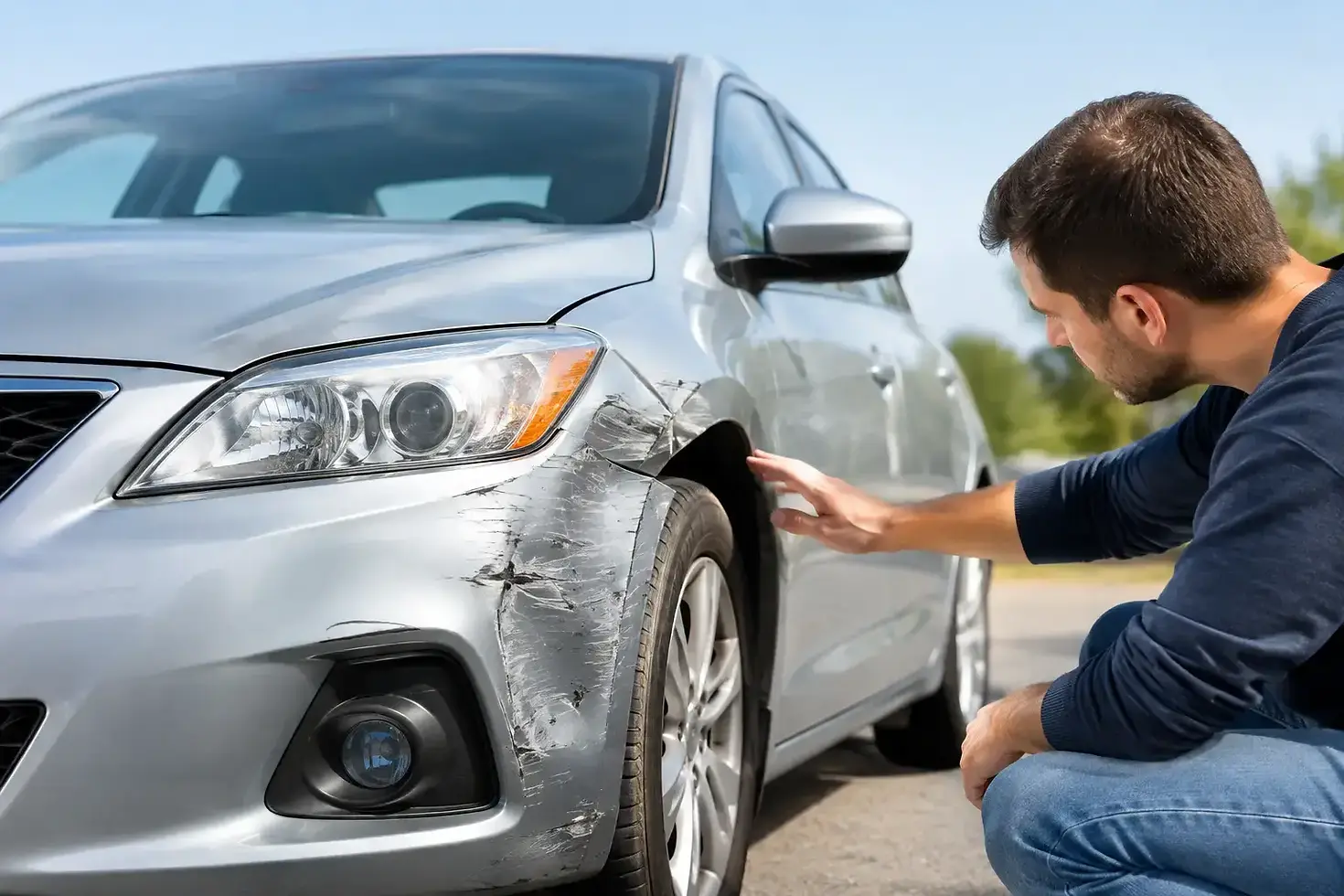
A door ding in a crowded parking lot should not cost you thousands of dollars. That is where cosmetic damage savings can make a real difference. A car with faded paint, a scratch on the bumper, or a small dent may not turn heads at a stoplight, but it can still get you to work, pick up the kids, run errands, and handle everyday life without crushing your budget.
For practical buyers, appearance is only one part of the deal. The real question is whether the vehicle is safe, runs properly, and fits the payment you can afford. If the answer is yes, a few cosmetic flaws may be the reason you can drive away in a dependable car instead of waiting months to save for a perfect-looking one.
Why Cosmetic Damage Can Mean a Lower Price
Used-car shoppers often pay extra for shiny paint, spotless interiors, and a clean first impression. There is nothing wrong with wanting a nice-looking vehicle. But when money is tight, paying a premium for appearance can leave less room for the things that matter most: the down payment, insurance, fuel, maintenance, and your regular bills.
Cosmetic damage can lower a vehicle's market appeal even when it does not affect how the car drives. A scratch-and-dent vehicle may be priced lower because many buyers pass it by before looking any closer. That creates an opportunity for someone who needs transportation, not a trophy in the driveway.
A scuffed bumper, worn seat fabric, minor hail marks, peeling clear coat, or small exterior dent can all affect appearance without automatically making a car a bad buy. In many cases, those flaws are already reflected in the price. You are not paying extra to impress the neighbors. You are paying for wheels that can help you get where you need to go.
Cosmetic Damage vs. Problems You Should Not Ignore
Not every flaw belongs in the same category. Smart buying means knowing the difference between an appearance issue and a problem that could cost you later.
Cosmetic issues are usually visible imperfections that do not interfere with safe operation. Think paint scratches, bumper scuffs, minor dents, cracked trim, faded headlights that can be restored, worn carpet, or a stained seat. These may bother you, but they are often affordable to live with or repair over time.
Mechanical and structural problems are different. Warning lights, overheating, transmission slipping, brake trouble, major fluid leaks, damaged suspension, severe tire wear, or signs of frame damage deserve closer attention. A vehicle can have a few scratches and still be a solid value. A vehicle with serious safety or drivability concerns needs a much more careful evaluation, no matter how clean it looks.
The goal is not to buy a car blindly because it is cheap. The goal is to make a fair trade: accept minor appearance flaws in exchange for a lower price, while still paying attention to the condition that affects your commute and your family.
Ask the Right Questions Before You Buy
A straightforward conversation can tell you a lot. Ask what cosmetic damage is present, whether any known repairs are needed, and what has been done to prepare the vehicle for sale. Take a slow walk around the car in daylight if possible. Open the doors, check the trunk, look at the tires, and sit in the driver's seat.
Then focus on how the vehicle operates. Start it, listen for unusual noises, test the air conditioning, check the lights, and take a test drive when available. You do not need to be a mechanic to notice whether a car feels right. If something seems off, speak up and ask.
Where Cosmetic Damage Savings Help Most
For many Florida drivers, transportation is not optional. You need a way to get to a job in Bradenton, take a child to school in Palmetto, make a medical appointment, or keep up with family responsibilities across Manatee and Sarasota County. Waiting for the “perfect” car can keep you stuck without a ride.
Cosmetic damage savings help when the lower purchase price gives you breathing room. That may mean a smaller down payment, a more manageable weekly payment, or money left over for tags, insurance, gas, and basic maintenance. A less-than-perfect exterior can be a practical choice when it lets you handle the full cost of owning a vehicle.
This is especially true for first-time buyers, shoppers rebuilding credit, and anyone who has been turned down by a traditional lender. A car does not need showroom paint to be useful. It needs to fit your real life and your real budget.
Do the Math Beyond the Sticker Price
A low price matters, but the cheapest car is not always the best value. Consider what you will spend after you drive off the lot. Insurance, fuel, tires, oil changes, brakes, registration, and any repairs should all be part of your decision.
Cosmetic damage is often easier to budget for because it can wait. You may decide that a bumper scuff is not worth fixing at all. Or you can handle it later with a touch-up kit, a detail job, seat covers, or a small repair when your budget allows. Mechanical repairs do not always give you that flexibility, especially when they affect safety or reliability.
That is why it helps to separate “I do not like the way this looks” from “this could keep me from getting to work.” The first may be a deal breaker for some buyers, and that is fair. The second deserves priority when you are shopping for affordable transportation.
Can You Repair Cosmetic Damage Later?
Usually, yes. The best part of buying a car with minor appearance flaws is that you can improve it little by little. A good wash, interior cleaning, floor mats, seat covers, headlight restoration, and basic touch-up paint can make a surprising difference without a huge bill.
Larger repairs, such as paintwork or dent removal, may cost more. Whether they are worth it depends on the vehicle's value, your budget, and how long you plan to keep it. There is no need to rush into cosmetic repairs just because a car is not picture-perfect on day one.
Be realistic, though. If a car has extensive rust, damaged body panels, water intrusion, or signs that the cosmetic damage came from a serious collision, get more information before deciding. “Cheap” only feels like a deal when you understand what you are buying.
A Better Way to Shop for Cheap Wheels
Start with your non-negotiables. Maybe you need room for car seats, good gas mileage for a long commute, cold A/C for Florida heat, or a truck bed for work. Those needs should guide your search more than paint color or a spotless bumper.
Next, set a payment amount that works with your weekly or monthly budget. Leave room for regular ownership costs instead of stretching every dollar on the purchase price. A no-haggle, low-pressure dealership can make this easier because you can focus on the vehicle and terms without feeling pushed into a price you cannot manage.
Finally, be honest about what you can live with. If a dent on the rear quarter panel does not bother you, it may save you money. If appearance matters to you because you use the vehicle for clients or business, it may be worth spending more for a cleaner option. There is no one right answer. The right car is the one that gets the job done at a price that does not keep you up at night.
Toad Cars is built around that practical idea: affordable transportation does not have to look perfect to be a good deal. When you see a scratch, scuff, or dent, look past the surface. It may be the small imperfection that puts reliable wheels within reach and gets you driving today.


Comments